



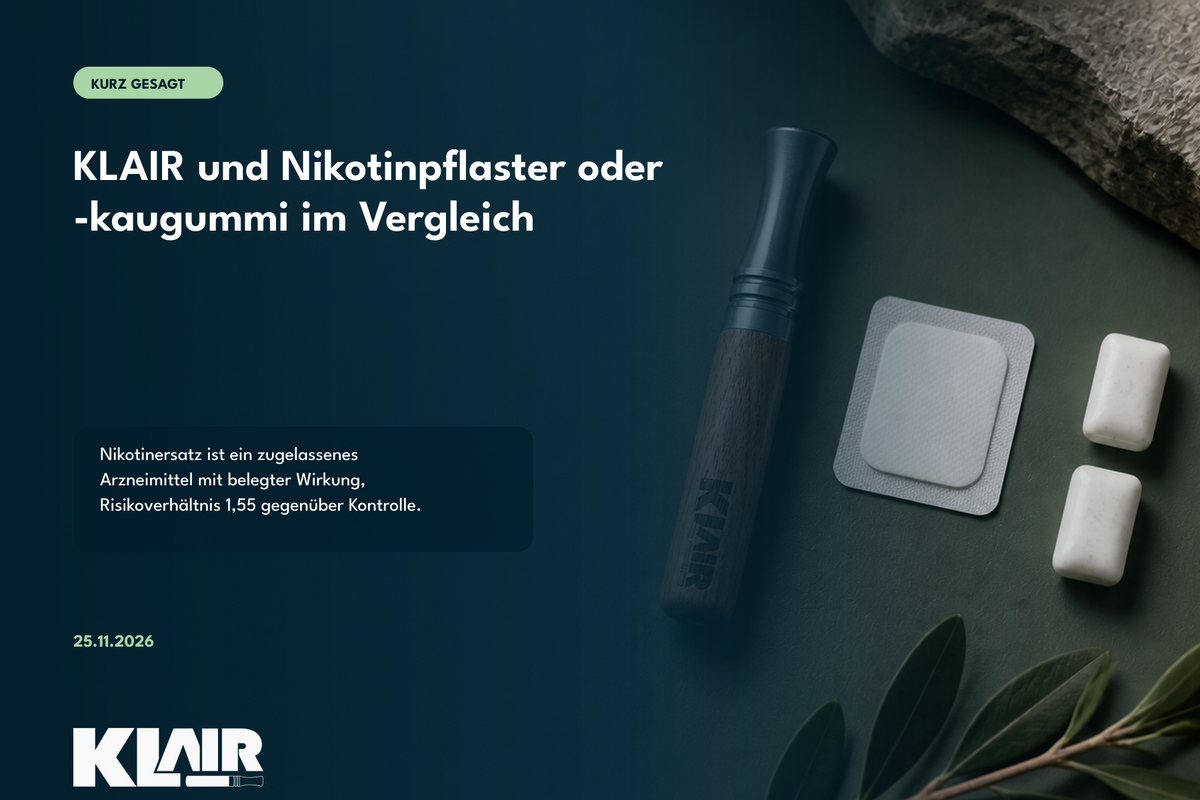
Nicotine replacement raises your chances of quitting smoking for good by 50 to 60 percent, as a Cochrane review of 133 comparisons with 64,640 participants showed. KLAIR has no such body of research and isn't a medicine. The two belong in different categories, and this article explains which ones.
In short
- Nicotine replacement is an approved medicine with proven effect, risk ratio 1.55 compared with control.
- KLAIR contains no nicotine, isn't a medicine and has no proven effect for quitting smoking.
- Nicotine replacement deals with the substance, KLAIR with the action. One doesn't rule out the other.
- A 25-milligram Nicorette patch costs CHF 109 for 14 patches at a Swiss pharmacy.
- The nicotine inhaler, which combined both, has no longer been available from the manufacturer since the end of March 2025.
What nicotine replacement has been shown to do
This question has been well studied, and the answer is clear.
In 2018, Hartmann-Boyce and colleagues analyzed 133 comparisons with 64,640 participants for Cochrane. For nicotine replacement overall, the risk ratio was 1.55, with a 95 percent range of 1.49 to 1.61.
The individual forms are close together: gum 1.49, patch 1.64, lozenge 1.52, inhaler 1.90, nasal spray 2.02.
In absolute numbers, that means about ten extra successes per hundred people. Nicotine replacement products are approved as medicines in Switzerland and available in pharmacies and drugstores.
That's a proven benefit. KLAIR has nothing comparable to show.
What KLAIR is
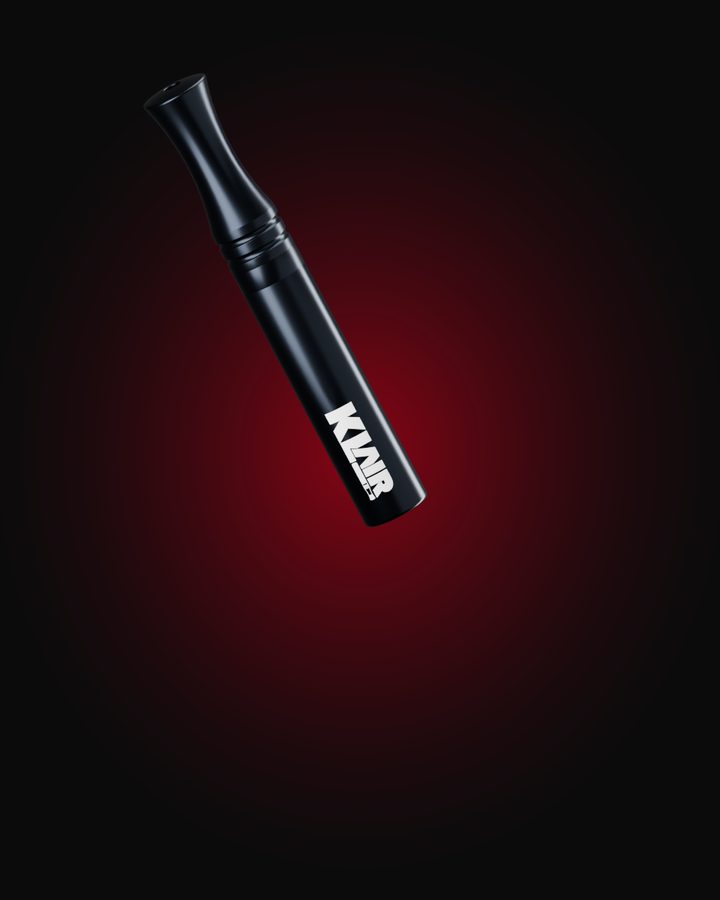
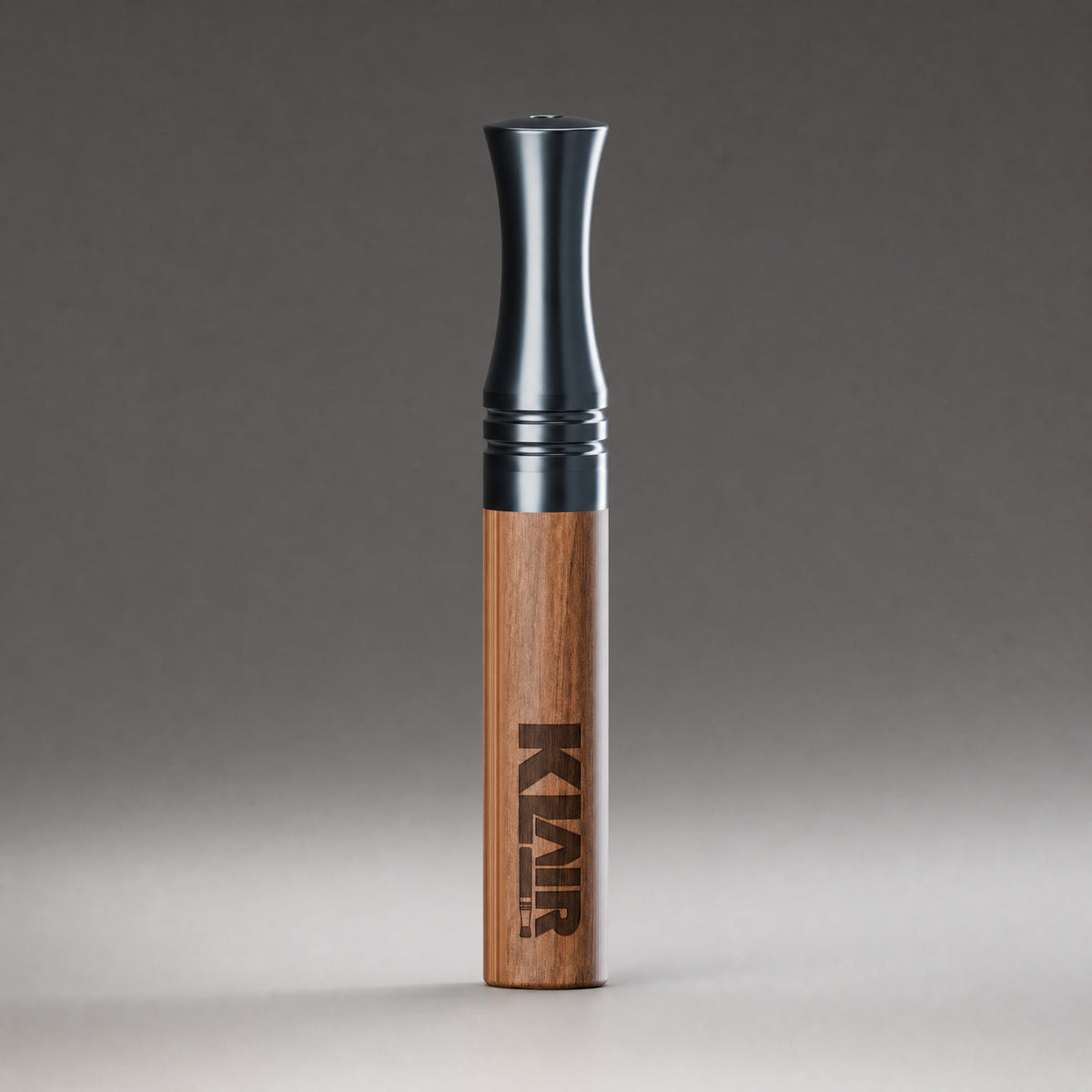
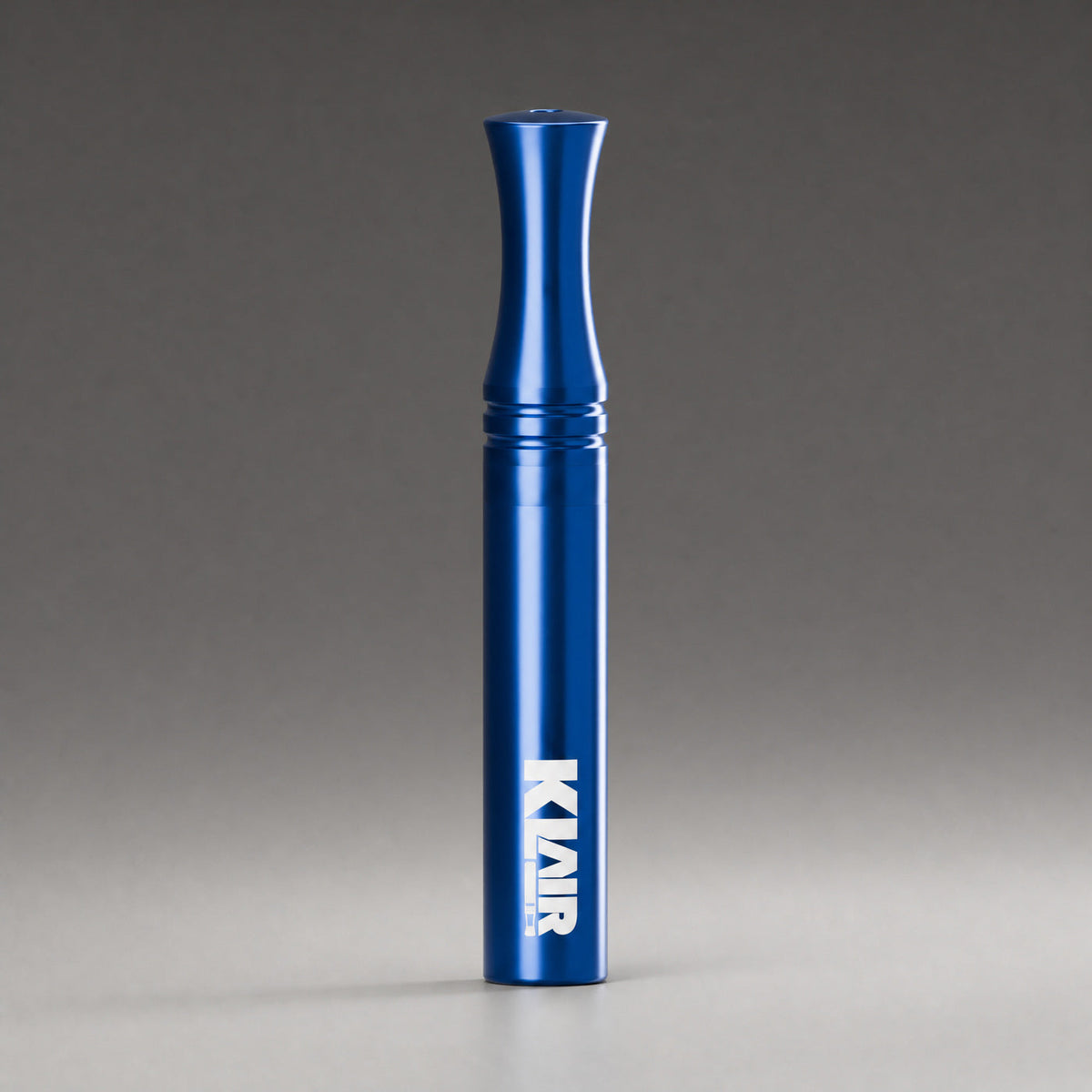
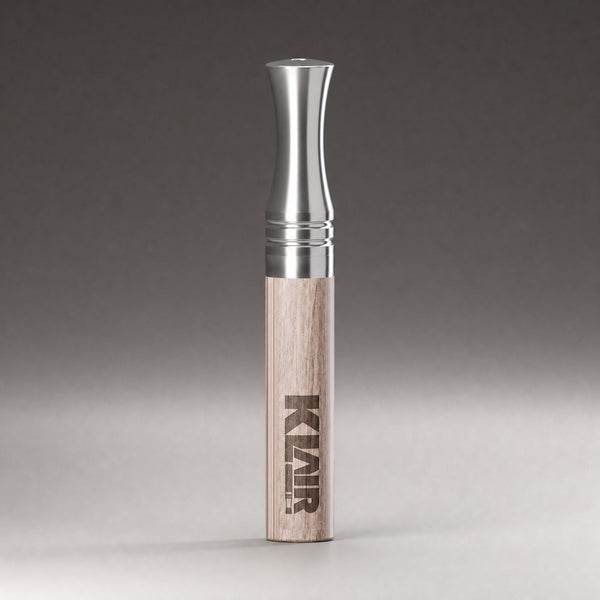
KLAIR is a mechanical inhaler with no tobacco, no nicotine and no electronics.
You insert a cotton capsule, bring the pen to your mouth, draw on it and taste a flavor. Nothing is heated, nothing is vaporized, nothing is burned.
There's no known research on this type of device for quitting smoking. So we don't claim any effect.
What is known concerns sensorimotor replacement in general. Przulj, McRobbie and Hajek summarized it in 2012: it can boost nicotine replacement therapy, but on its own it's probably not useful.
Side by side
The table compares what the products are and what they do. It doesn't compare effectiveness, because only one side has data on that.
| Criterion | Nicotine patches and gum | KLAIR |
|---|---|---|
| Nicotine | yes | no |
| Tobacco | no | no |
| Legal status | approved medicine | not a medicine, no approval |
| Proven effect for quitting smoking | yes, risk ratio 1.55 | no known research on this type of device |
| Where to buy in Switzerland | pharmacy and drugstore | retail and online shop |
| How it's used | patch once a day for 16 hours, gum as needed | draws of a few seconds, any time |
| Hand to mouth | patch no, gum once when you put it in | yes, with every draw |
| Draw and breath | no | yes |
| Flavor | gum yes, patch no | yes |
| Ongoing costs | patches CHF 109 for 14, gum CHF 62.50 for 105 pieces of 2 milligrams | CHF 6.90 per capsule pack for about ten days |
| Device cost | none | CHF 69.90 or CHF 79.90, one time |
| Basic health insurance | not covered | not covered |
| Electronics and battery | no | no |
Prices collected in August 2026. The patch price comes from a Swiss pharmacy chain, the gum price from Swiss online retail.
They deal with different things
The most important difference isn't in the table. It's in the job each one does.
Nicotine replacement gives your body nicotine, in a controlled dose and without smoke. That way it deals with the physical side of dependence.
KLAIR gives you no nicotine. It covers the movement, the draw and the flavor, in other words the action.
Body, mind, hand: the three dependencies explains why this distinction makes sense in the first place.
Two different jobs don't rule each other out. But they don't replace each other either.
When nicotine replacement is the better choice
This section belongs in every honest comparison, and here it's easy to write.
If physical withdrawal is the main issue, nicotine replacement is the option with the evidence. That's especially true for strong dependence, meaning when your first cigarette comes shortly after you get up.
In 2007, Baker and colleagues showed that exactly this time to the first cigarette is the most telling single item on the Fagerström test.
If you smoke within a few minutes of waking up, you should start at the pharmacy, not in our shop. The advice there is free.
Which quit-smoking methods there are and what they do puts all the options in context.
The gap that's left
There was a product that combined both, and it's gone.
The nicotine inhaler was a nicotine medicine used with a hand-to-mouth movement. In the Cochrane review, it ranks second with a risk ratio of 1.90, though based on only four studies with 976 participants.
According to stopsmoking.ch, it has no longer been available from the manufacturer since the end of March 2025.
That means there's currently no product in Swiss pharmacies that covers the gesture.
The nicotine inhaler is gone. Now what? looks at this gap.
What health insurance covers
In short: under basic insurance, neither one.
Nicotine replacement products aren't covered. Varenicline has been available as a generic since February 2026, but according to stopsmoking.ch it's currently not reimbursable either.
Some supplementary insurance plans contribute to courses. That varies from insurer to insurer.
What we don't know about this
Two limitations belong here.
There's no data on combining them. Whether an aroma inhaler adds anything alongside a patch hasn't been studied. The statement by Przulj and colleagues refers to sensorimotor replacement in general.
The prices are a snapshot. Pharmacy prices vary, and so do pack sizes. Do the math with your own numbers.
The key points in brief
Nicotine replacement is an approved medicine with proven effect: a risk ratio of 1.55 across 133 comparisons and 64,640 participants. KLAIR isn't a medicine and has no proven effect for quitting smoking.
The two deal with different things. The patch with the substance, KLAIR with the action. If you smoke right after waking up, the pharmacy is the sensible place to start.
And basic insurance doesn't pay for either.
Sources
- Hartmann-Boyce, J., Chepkin, S. C., Ye, W., Bullen, C., Lancaster, T. (2018): Nicotine replacement therapy versus control for smoking cessation. Cochrane Database of Systematic Reviews, CD000146. 133 comparisons, 64,640 participants, RR 1.55 (95 percent range 1.49 to 1.61). Gum 1.49, patch 1.64, lozenge 1.52, inhaler 1.90 (4 studies, 976 participants), nasal spray 2.02. cochrane.org (accessed August 20, 2026)
- Coop Vitality: Nicorette Invisi Patch 25 mg per 16 hours, 14 patches, CHF 109. coopvitality.ch (accessed August 20, 2026)
- Price survey of Swiss online retail, August 2026: nicotine gum 2 milligrams, 105 pieces, CHF 62.50.
- stopsmoking.ch: Using aids. Nicotine inhaler no longer available from the manufacturer since the end of March 2025, varenicline currently not reimbursable. stopsmoking.ch (accessed August 20, 2026)
- Przulj, D., McRobbie, H., Hajek, P. (2012): The Effect of Sensorimotor Replacement on Smoking Cessation and Craving. The Open Addiction Journal 5, 41 to 50.
- Baker, T. B., Piper, M. E., McCarthy, D. E. et al. (2007): Time to first cigarette in the morning as an index of ability to quit smoking. Nicotine and Tobacco Research 9 (Supplement 4), 555 to 570.
- Federal Act on Medicinal Products and Medical Devices (HMG, SR 812.21), Article 4 paragraph 1 letter a. fedlex.admin.ch (accessed August 20, 2026)
- AT Schweiz: Smoking cessation, data and figures. 76.3 percent of former daily smokers quit without aids. at-schweiz.ch (accessed August 20, 2026)
- Swiss Cancer League (Krebsliga Schweiz): stopsmoking counseling service, Quitline 0848 000 181, free and anonymous. krebsliga.ch (accessed August 21, 2026)


Leave a comment
All comments are moderated before being published.
This site is protected by hCaptcha and the hCaptcha Privacy Policy and Terms of Service apply.