






There is no study showing that nicotine-free inhalers of our design help people quit. That is the short answer, and we put it at the beginning because it answers the question people ask about us. What does exist is data on nicotine-free e-cigarettes from the large Cochrane review (as of November 2025, 90 studies, 29,044 participants) and a small number of older papers on replacing the hand movement. Both say something, and both say less than you would wish.
In short
- Cochrane (2025): With nicotine e-cigarettes, 8 to 11 out of 100 quit; with nicotine replacement, 6 out of 100; with nicotine-free e-cigarettes, around 3 out of 100 fewer than with nicotine ones. Evidence for the last comparison: moderate certainty.
- The only larger single study with a nicotine-free arm (ECLAT, 2013) found 4 out of 100 smoke-free after 52 weeks in the nicotine-free arm, compared with 11 out of 100 with nicotine.
- All of this data concerns vaporizing devices with a battery. There is no comparable study on mechanical inhalers without power or liquid.
- Przulj, McRobbie and Hajek (2012): Replacing the hand movement can boost nicotine replacement therapy; on its own, it probably doesn't help.
- That is why we don't claim any effect. If you want a proven method, you'll find it at stopsmoking.ch and at the pharmacy.
Why we ask this question ourselves
Because others have been asking it for a long time, and we would rather answer than dodge.
In German, the product category is discussed under headlines like "Helpful aid or placebo?". Around individual brands, there are pages asking "Is this legit?". That is fair. A product without an active ingredient, sold in a market full of health promises, has to face this question.
By the way, the answer to placebo isn't no. A placebo is something that meets an expectation without an active ingredient. That is exactly what an object in your hand does. The only question is whether anything more comes of it.
What KLAIR can and can't do is something we've written up elsewhere without study figures. Here come the figures.
What Cochrane says about nicotine-free e-cigarettes
The Cochrane review CD010216 is the largest continuously updated analysis of e-cigarettes and quitting smoking. The version from November 10, 2025 covers 90 studies with 29,044 participants, 49 of them randomized controlled trials.
The key figures, each after at least six months:
- Nicotine e-cigarettes versus nicotine replacement (patch, gum): 8 to 11 out of 100 smoke-free compared with 6 out of 100. High-certainty evidence.
- Nicotine versus nicotine-free e-cigarettes: with nicotine, about 3 more out of 100 quit. Moderate certainty, because the figures are imprecise.
- Nicotine e-cigarettes versus behavioral support alone or nothing: about 4 more out of 100.
If you add this up, the nicotine-free e-cigarette in these studies lands roughly between 5 and 8 out of 100. That is a derivation from the comparisons, not a figure Cochrane reports as such. It is in the same range as nicotine replacement and above what is achieved without aids in controlled studies.
What that means: a device without nicotine that mimics the gesture and the draw doesn't seem to be ineffective in these studies. But it is measurably weaker than the same device with nicotine.
The one single study with a nicotine-free arm
The ECLAT study (Caponnetto and colleagues, 2013) is the best-known single study with its own group without nicotine.
300 smokers in Italy who didn't want to quit were split into three groups of 100 each. Group A got cartridges with 7.2 mg of nicotine for twelve weeks, group B got 7.2 mg for six weeks and then 5.4 mg for six weeks, and group C got cartridges without nicotine for twelve weeks.
After 52 weeks, the following were smoke-free: 13 out of 100 in group A, 9 out of 100 in group B, 4 out of 100 in group C. The two nicotine groups together came to 11 percent, the nicotine-free one to 4 percent. The difference was statistically significant.
Four out of a hundred isn't much. But it isn't zero, and it is among people who explicitly didn't want to quit.
Why none of this transfers directly to KLAIR
All the studies mentioned look at devices with a battery, a heating element and liquid. They produce visible vapor, warmth and a sensation in the throat that comes closer to smoke.
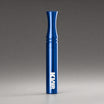
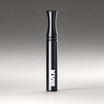
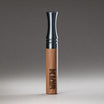
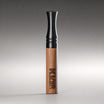
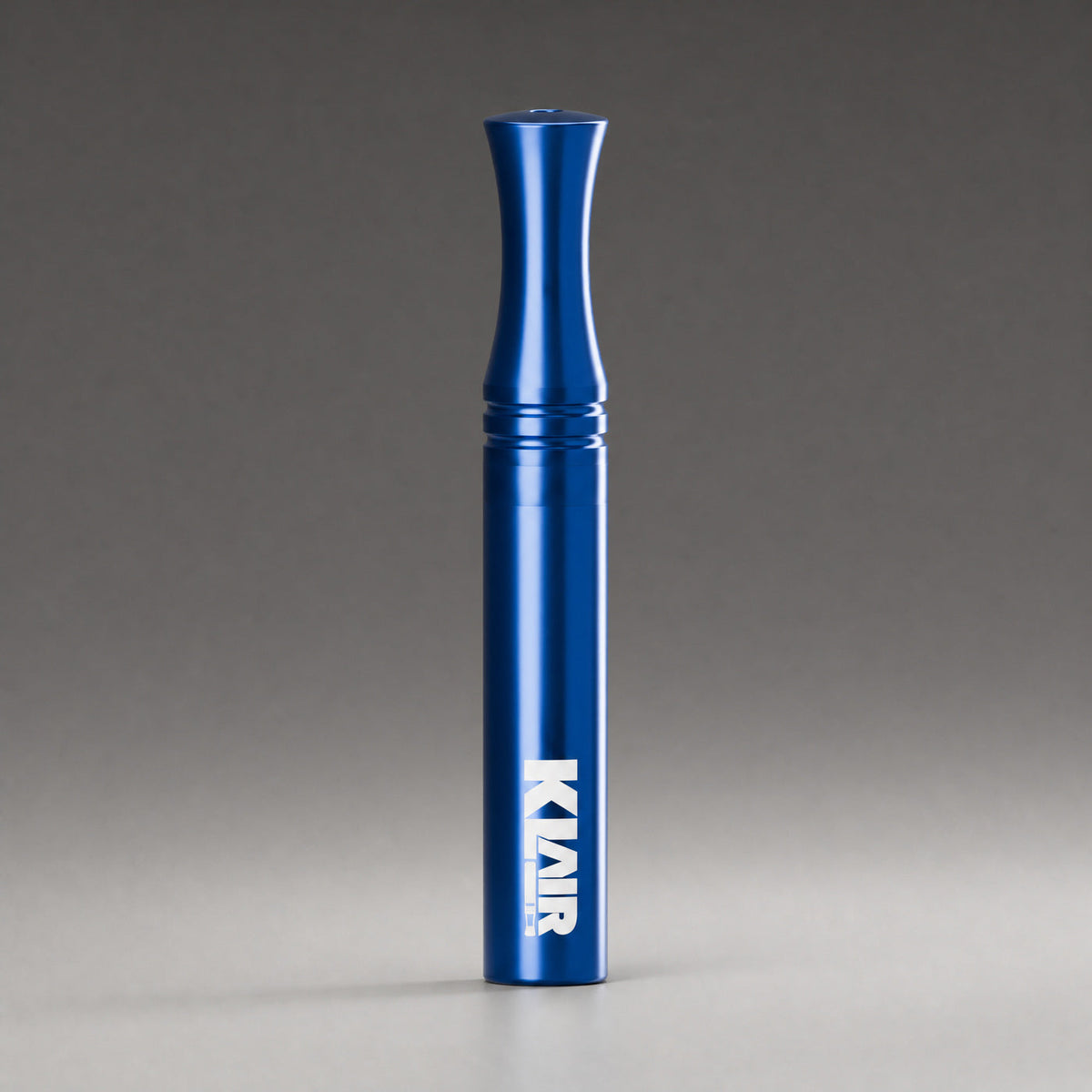
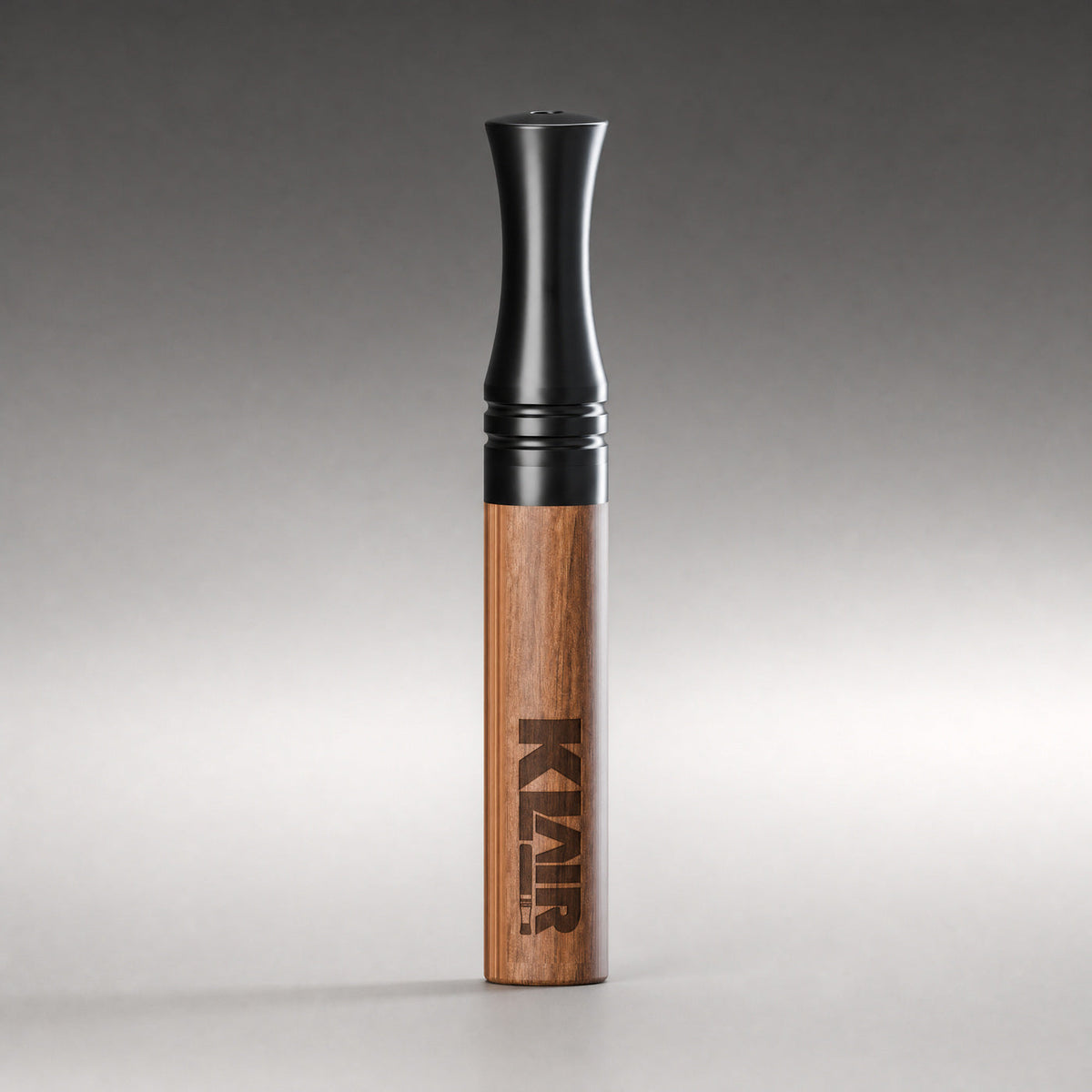
KLAIR has none of that. Ambient air flows through a cotton capsule with flavor oil. No vapor, no warmth, no throat irritation. What remains is the hand-to-mouth movement, the draw resistance and a flavor in the front of your mouth.
Whether that reaches the same 4 to 8 out of 100, fewer or more, nobody knows. It hasn't been studied. Anyone who derives a figure for mechanical inhalers from the e-cigarette data is guessing.
That is why there is no success rate anywhere on our website. Not because we're hiding it, but because there isn't one.
Why we don't make health promises has a legal reason as well as this factual one.
What is known about the hand movement itself
The question of whether replacing the gesture alone does anything was studied even before e-cigarettes.
In 2012, Przulj, McRobbie and Hajek summarized the research on so-called sensorimotor replacement: nicotine-free inhalers, dummy cigarettes, herbal cigarettes. Their conclusion: aids like these can boost nicotine replacement therapy and dampen craving in the short term. As the only route to quitting, they probably don't help.
That is honest, and we adopt it as is. An object in your hand doesn't replace treatment. It can stand alongside one.
stopsmoking.ch describes three forms of dependence: physical, psychological and through habit. The first two are well studied and well catered for. For the third, there is advice, but hardly any studies.
The three dependencies are explained in their own article.
What "placebo" means in this case
A placebo isn't an insult. It is the name for an effect that occurs without an active ingredient.
When someone reaches for the pen instead of a cigarette during a wave of craving, what happens is expectation, distraction and keeping the hand busy. Not a substance that changes something in the body. That is exactly the definition.
The difference from a sugar pill: the pen does something you can observe. It gives your hand back the movement and your mouth a flavor. Whether that works beyond expectation is the open question from above.
We think you can buy a product that keeps your hand busy without anyone claiming it cures an addiction. You just need to know what you're buying.
What we could contribute ourselves and don't yet
The honest part about ourselves.
We don't have our own study. We have feedback from customer service, collected unsystematically, and we deliberately don't quote success stories from it, because a hand-picked "this is how I quit" would effectively be a health promise.
What we could do: an anonymous survey over several months, including low points and dropouts, published regardless of the result. That wouldn't be a study, but it would be more than nothing. If we take this on, we'll write it here.
Until then: if you want a method with proven effect, call 0848 000 181 or go to the pharmacy. That isn't a platitude; it is the state of research.
The key points in brief
In the Cochrane data (2025), nicotine-free e-cigarettes reach roughly 5 to 8 out of 100 after six months, nicotine ones 8 to 11, and nicotine replacement 6. In the ECLAT study (2013), it was 4 out of 100 without nicotine compared with 11 with it.
All these figures come from vaporizing devices. There is no study on mechanical inhalers like KLAIR, and we don't derive a figure.
Replacing the hand movement can complement treatment, not replace it (Przulj et al., 2012). That is exactly how we sell the product.
Sources
- Lindson, N. et al. (2025): Electronic cigarettes for smoking cessation. Cochrane Database of Systematic Reviews, Issue 11, CD010216.pub10, published November 10, 2025. 90 studies, 29,044 participants. cochranelibrary.com (accessed August 21, 2026)
- Cochrane: Can electronic cigarettes help people stop smoking? Plain language summary of CD010216. cochrane.org (accessed August 21, 2026)
- Caponnetto, P. et al. (2013): EffiCiency and Safety of an eLectronic cigAreTte (ECLAT) as Tobacco Cigarettes Substitute: A Prospective 12-Month Randomized Control Design Study. PLoS ONE 8(6), e66317. journals.plos.org (accessed August 21, 2026)
- Przulj, D., McRobbie, H., Hajek, P. (2012): The Effect of Sensorimotor Replacement on Smoking Cessation and Craving. The Open Addiction Journal 5, 41 to 50.
- stopsmoking.ch: The 3 forms of dependence. stopsmoking.ch (accessed August 21, 2026)
- stopsmoking.ch: Free quit-smoking phone counseling, 0848 000 181. stopsmoking.ch (accessed August 21, 2026)
- Swissmedic: Delimitation of therapeutic products, criteria for classifying products. swissmedic.ch (accessed August 21, 2026)
- KLAIR: Information on design and capsules from our own shop. klair.ch (accessed August 21, 2026)



Leave a comment
All comments are moderated before being published.
This site is protected by hCaptcha and the hCaptcha Privacy Policy and Terms of Service apply.